
Plants
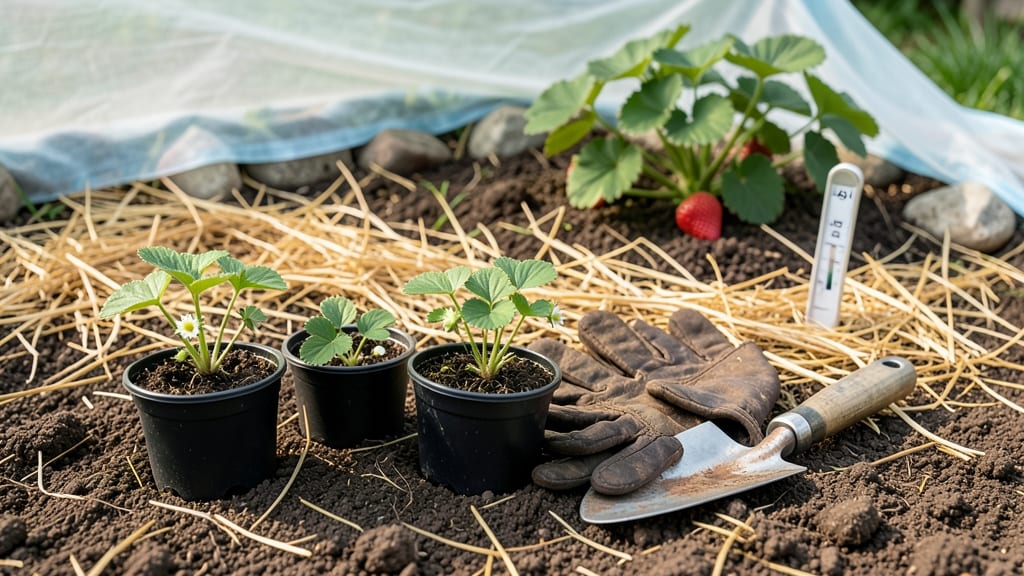
Planting strawberries in Kansas at the wrong time can mean the difference between a juicy harvest and a sad, frost-nipped failure. The key to success lies in understanding your USDA zone and the perfect planting window—whether you're in northern 5b or southern 7a.
For most Kansas gardeners, the ideal times are early spring (March-April) or late summer (July-August). But why these windows? It all comes down to soil temperature, frost risk, and giving your 🍓 plants enough time to establish strong roots before winter or summer heat sets in.
I'll break down exactly when to plant based on your specific zone, which strawberry varieties perform best, and how to extend your growing season for bigger yields. Whether you're a first-time gardener or a seasoned pro, these insights will help you avoid common mistakes and maximize your strawberry patch.
Ready to transform your garden into a berry bonanza? Let's dive into the zone-specific strategies that will set you up for success from day one.
Best planting times for strawberries in Kansas by hardiness zones
Kansas' USDA zones 5b-7a create unique challenges for strawberry growers.
The average last frost date of April 15 marks the start of your ideal spring planting window, but timing varies by region—northern Kansas (zone 5b) needs extra caution against late frosts, while southern Kansas (zone 7a) can push boundaries slightly later.
For June-bearing varieties, aim to plant 4-6 weeks before your last frost date—typically mid-March to early April. This gives roots time to establish before active growth begins. Ever-bearing and day-neutral varieties offer more flexibility, allowing late summer (July-August) plantings for fall harvests.
Soil temperature is critical—strawberries need 40°F soil temps to thrive. Use a soil thermometer to confirm readiness. In northern Kansas, wait until soil warms to 45°F+ to avoid root rot from cold, wet conditions.
Fall planting is risky but possible in southern Kansas (zone 7a). Plant 6-8 weeks before first frost (typically late July to early August) to allow root establishment before winter dormancy. Northern growers should avoid fall plantings—young plants won't survive harsh winters.
Bare-root plants are most common in Kansas due to their affordability and hardiness. Plant them as soon as possible after purchase—soak roots in water for 30 minutes before planting to rehydrate. For potted strawberries, you can plant 2-3 weeks earlier since they're already established.
Pro tip: Test your soil pH before planting—strawberries thrive in 5.5-6.5 pH. Kansas soils often test alkaline (7.0+), so amend with sulfur or peat moss if needed. Well-draining soil is non-negotiable—amend heavy clay with compost or sand to prevent root rot.
After planting, mulch heavily with straw or pine needles to retain moisture and suppress weeds. This is especially critical in dry Kansas summers where 1-2 inches of water weekly becomes challenging to maintain consistently.
Remember: June-bearing varieties produce one massive harvest in late May-June, while ever-bearing varieties give two smaller harvests—spring and fall. Choose based on your preferred eating schedule and Kansas climate zone.
🌱 For northern Kansas gardeners, consider cold-hardy varieties like 'Chandler' or 'Jewel'—they handle zone 5b winters better than tender types. Plant 1-2 weeks later than southern neighbors to avoid late spring frosts that can damage blossoms.
Best planting times for strawberries in Kansas by hardiness zones
Kansas spans USDA hardiness zones 5b through 7a, meaning planting windows vary slightly between northern and southern regions. For northern Kansas (zones 5b-6a), aim for early spring (March 15–April 15) or late summer (July 15–August 15).
Southern Kansas (zones 6b-7a) can push spring planting to mid-April and extend fall planting to early September.
Timing matters because strawberries need soil temperatures above 40°F (4°C) to establish roots before frost hits. In Kansas, average last frost dates range from mid-April in the north to early April in the south. Planting too early risks frost damage, while late planting delays harvests.
Here’s how to align your planting with Kansas’ climate zones for optimal success:
| Zone | Spring Planting Window | Fall Planting Window | Soil Temp Requirement | Key Consideration |
|---|---|---|---|---|
| 5b (Northwest KS) | March 20–April 10 | July 20–August 10 | 45°F+ (7°C+) | High frost risk; use row covers |
| 6a (Central KS) | March 25–April 15 | July 15–August 15 | 40°F+ (4°C+) | Moderate frost risk; mulch heavily |
| 7a (Southeast KS) | April 1–April 20 | July 30–September 5 | 38°F+ (3°C+) | Longer growing season; extend fall harvest |
For bare-root plants, soak roots in water for 30 minutes before planting to revive dormant roots. In Kansas’ dry climate, amend soil with compost to retain moisture and improve drainage. Plant crowns just above soil level—burying them too deep causes rot.
Fall-planted strawberries benefit from earlier harvests the following spring because they establish roots over winter. However, avoid planting after September 1 in northern Kansas, as roots won’t harden off before frost. Southern Kansas gardeners can push fall planting to early October with row covers.
Monitor local frost forecasts via the National Weather Service or Kansas State University Extension. In my garden, I’ve found that June-bearing varieties planted in spring yield best in Kansas’ climate, while everbearing varieties (like 'Seascape') produce two harvests if fall-planted.