
Plants
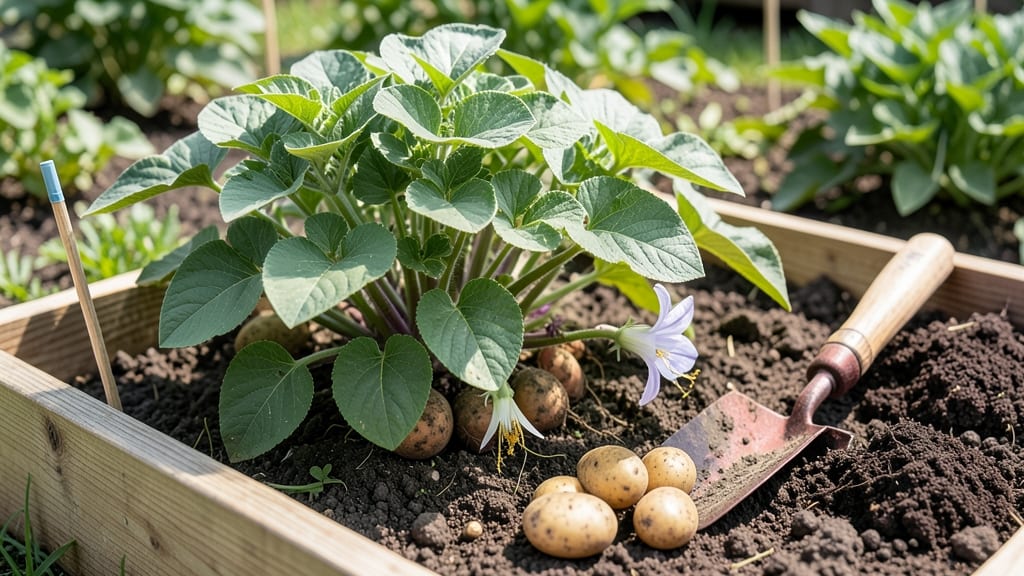
Planting potatoes in Oregon isn’t one-size-fits-all—your timing depends on whether you’re in the foggy Willamette Valley or the sunbaked high desert. Get it wrong, and you’ll end up with bitter, stunted 🥔 or worse, a total crop failure before harvest.
The key is understanding your microclimate’s last frost date and soil warmth, which can shift your planting window by 4-6 weeks between regions.
Most gardeners in Oregon’s USDA Zones 7-9 (like Portland or Eugene) aim for early spring planting, but cooler coastal areas or high-desert zones (like Bend) may need to wait until late April or even early May.
I’ll break down the exact soil temperature thresholds you should watch for—50°F or warmer—and how to adjust for your local frost risks.
You’ll also discover how to choose the right potato varieties for your growing season, whether you’re after quick-harvesting new potatoes or long-season russets.
Plus, I’ll share pro tips for extending your planting window with row covers or mulch, so you can avoid the common mistakes that turn hopeful gardeners into frustrated spud-scratchers.
Ready to grow potatoes that thrive? Let’s dive into the step-by-step guide tailored to Oregon’s unique climate—so you can enjoy a bumper crop from summer through fall.
Oregon’s 3 microclimate zones for potato planting dates
Oregon’s potato planting timeline isn’t one-size-fits-all—your USDA hardiness zone and local microclimate dictate the perfect window. Coastal areas like Astoria (Zone 7-8) have longer frost-free seasons, while high-desert regions like Bend (Zone 4-6) need early starts.
Even within the Willamette Valley (Zone 7-9), Portland’s urban heat island can push planting dates 2-3 weeks earlier than rural areas.
All potato varieties need soil temperatures above 50°F to thrive—cooler soils slow growth and increase disease risk. Use a soil thermometer to confirm readiness, especially in high-elevation zones where spring warmth arrives late.
The average last frost date varies wildly: March 15 in Eugene but May 1 in the Cascade foothills.
Here’s your region-specific planting calendar to avoid common mistakes like early bolting or frost damage:
| Zone & Location | USDA Zone | Planting Window | Soil Temp Threshold | Frost-Free Date |
|---|---|---|---|---|
| Coastal (Astoria, Cannon Beach) | 7-8 | Late March - Early April | 50°F+ (early April) | March 15 - April 1 |
| Willamette Valley (Portland, Salem, Eugene) | 7-9 | Mid-March - Mid-April | 50°F+ (late March) | April 15 - May 1 |
| High Desert (Bend, La Pine, Sisters) | 4-6 | Early April - Mid-May | 50°F+ (late April) | May 15 - June 1 |
| Urban Heat Islands (Portland suburbs) | 8-9 | Early March - Late March | 45°F+ (early March) | April 1 - April 15 |
For coastal gardeners, aim to plant 4-6 weeks before your average last frost date—this gives tubers time to establish before summer’s cool, damp conditions slow growth. In the Willamette Valley, where spring rains linger, use raised beds or container growing to improve drainage and warm soil faster.
High-desert areas like Central Oregon benefit from earlier planting (as soon as soil is workable), but watch for late frosts—use frost cloth for the first 2-3 weeks to protect young plants. Pro tip: Chit your seed potatoes (sprout indoors) to jumpstart growth in these shorter seasons.
Urban gardeners in Portland or Salem can plant 2-3 weeks earlier than rural areas due to the urban heat island effect.
Test your soil’s warmth by pressing your hand into the ground—if it feels cool to the touch, wait 1-2 weeks before planting. Soil thermometers (available at garden centers for ~$15) take the guesswork out of timing.
Remember: Potatoes hate soggy soil. In Zone 7-8 areas with high rainfall, plant on mounds or ridges to prevent rot. Amend your soil with compost or aged manure before planting to improve drainage and provide nutrients for 60-90 days of growth.
For fall planting (less common but possible in Zone 8-9), aim for July 1-August 1 to harvest before the first frost. Use early-maturing varieties like ‘Red Norland’ (60 days) to ensure success in shorter growing windows.
🌱
How to adjust planting dates for early vs. late potato varieties in Oregon
Oregon’s short growing seasons in high-desert areas and longer summers in the Willamette Valley demand smart variety selection. Early varieties like ‘Red LaSoda’ mature in 60-75 days, while late types such as ‘Russet Burbank’ need 90-100 days.
Match your variety to your region’s frost-free window—coastal gardeners can plant 2-3 weeks later than desert growers.
For example, in USDA Zone 7 (Portland/Eugene), early varieties can start as early as mid-March under row covers, while late varieties wait until late April.
In Zone 4 (Bend/La Grande), late varieties risk frost, so stick to early or mid-season types planted in late May for a 90-day harvest before winter.
Succession planting extends your harvest: plant early varieties every 2 weeks from March to May. Use row covers to push dates earlier by 2-4 weeks, especially in Zone 5-6 areas like Hood River or The Dalles. This lets you harvest ‘Yukon Gold’ in July and ‘Kennebec’ in September.
| Variety Type | Days to Maturity | Best Oregon Regions | Planting Window | Harvest Tip |
|---|---|---|---|---|
| Early (New Potatoes) | 60-75 days | All zones (Zone 4-9) | March-April (Zone 7-9) / May (Zone 4-6) | Harvest small when skins toughen |
| Mid-Season | 75-90 days | Zone 5-9 (avoid Zone 4) | April-May | Wait for full color before digging |
| Late (Storage) | 90-120 days | Zone 6-9 (avoid Zone 4-5) | Late April-June | Cure in dark, cool place 1-2 weeks |
Cold-hardy varieties like ‘Kennebec’ or ‘Minnesota Gem’ tolerate soil temps as low as 40°F, letting you plant 2-3 weeks earlier in Zone 4-5 areas. For late varieties, use black plastic mulch to warm soil 5-10°F faster, especially in Zone 6-7.
Test soil temps with a soil thermometer—wait until it hits 50°F consistently for 24 hours.
Pro tip: Plant ‘Red Pontiac’ in early April for a July harvest in the Willamette Valley, then follow with ‘Russet Norkotah’ in mid-May for a September storage crop. Succession planting ensures you’re never without fresh potatoes all summer!
✅ Key takeaway: Match your variety to your microclimate and harvest window. Early types = short seasons; late types = long summers. Use row covers or mulch to extend your planting window safely.