
Plants
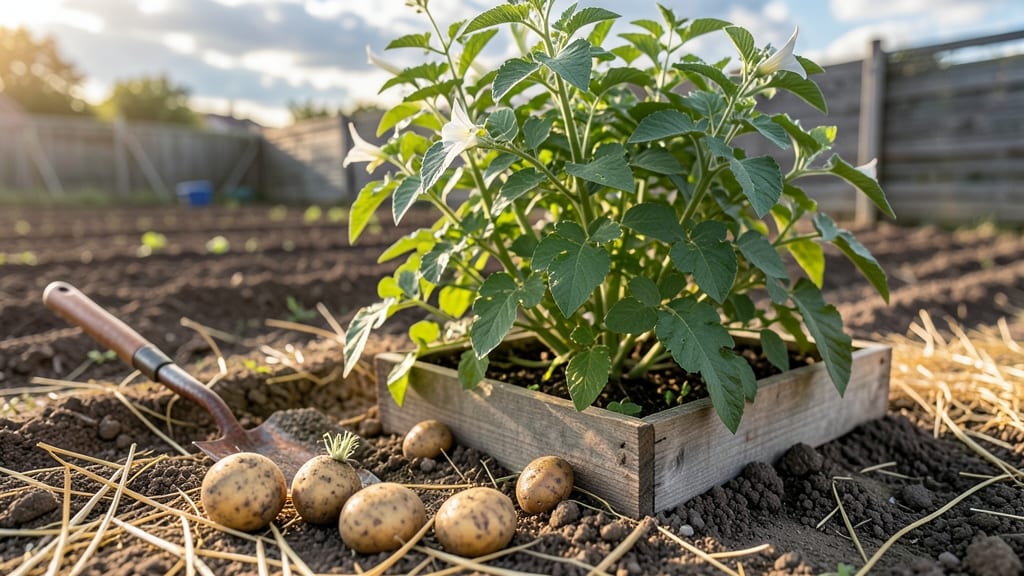
Oklahoma potato planting dates by USDA Zone (avoid bolting & frost damage)
Oklahoma spans USDA Zones 6a-8a, meaning frost dates vary dramatically from northern Panhandle (Zone 6a) to southern Oklahoma (Zone 8a). Planting potatoes too early risks frost damage, while planting too late can lead to bolting—when plants flower prematurely and produce bitter tubers.
Timing is everything for maximum yield and food-safe potatoes.
For spring planting, aim for 4-6 weeks before your last frost date. In Zone 6a (e.g., Altus), this means early March. In Zone 8a (e.g., Lawton), you can start as late as mid-April.
Fall planting? Late August to early September works for both zones, but Zone 6a may need to wrap up by mid-September to avoid early frosts.
Use NOAA’s frost data to pinpoint your exact last-frost date. For example, Oklahoma City (Zone 7a) averages a last frost around March 25th, so plant seed potatoes by March 10th. Soil temperature must also be 40°F (4°C) or warmer—cold soil slows sprouting and invites rot.
Here’s how to align your planting with Oklahoma’s USDA Zones and variety maturity:
| USDA Zone | Last Frost Date | Planting Window | Best Varieties | Days to Maturity |
|---|---|---|---|---|
| 6a (Altus, Woodward) | March 15–25 | Early March–mid-April | Yukon Gold, Red Pontiac | 90–120 days |
| 6b (Oklahoma City) | March 20–30 | Late Feb–April 1 | Kennebec, Russian Banana | 75–100 days |
| 7a (Tulsa, Lawton) | March 25–April 5 | Late Feb–April 15 | Adirondack Red, Purple Viking | 80–110 days |
| 7b (Norman, Stillwater) | April 1–10 | March 1–April 15 | Fingerling, Sweet Potato | 60–90 days |
| 8a (McAlester, Hugo) | April 10–20 | March 15–April 30 | Caribou, Goldrush | 70–100 days |
For fall planting, focus on short-season varieties like Kennebec or Yukon Gold (75–90 days). Plant late August to early September, ensuring tubers mature before first frost (mid-November). Use black plastic mulch to extend the season by 2–3 weeks.
Pro tip: Chit your seed potatoes (sprout them indoors) 4–6 weeks before planting. This jumpstarts growth and compensates for Oklahoma’s unpredictable spring weather. Store them in a cool, bright spot (50–60°F) with indirect light until planting.
If you’re in
How to time potato planting for Oklahoma’s unpredictable weather (Pro Tips)
Oklahoma’s variable climate means your potato planting success hinges on timing—especially when early cold snaps or late frosts strike. The key is planting 4-6 weeks before your last frost date, but with Oklahoma’s USDA Zones 6b-8a, that window can shift dramatically.
For example, northern Oklahoma (Zone 6b) may need early March planting, while southern areas (Zone 8a) can wait until mid-April. Always check your local NOAA frost data to adjust.
If you’re planting in fall, aim for late August to early September—this gives potatoes time to mature before the first frost hits in mid-November. Fall planting works best for late-maturing varieties like Russet Burbank, which thrive in cooler weather.
Just be prepared for shorter daylight hours, which slows growth, so start with larger seed potatoes for a head start.
🔹 Visual Element: Numbered Highlights 🔹
- 1. Use row covers for early spring planting to protect from late frosts (down to 25°F).
- 2. Choose cold-tolerant varieties like Yukon Gold or Red Pontiac for Zone 6b areas.
- 3. Plant in raised beds to warm soil faster—critical for slow-starting seasons.
- 4. Test soil temperature before planting; aim for 45°F+ for germination.
- 5. Adjust spacing for fall planting: 12 inches apart in rows 2 feet apart to prevent crowding.
Don’t let Oklahoma’s unpredictable weather derail your potato harvest. If you’re in Zone 7a or higher, consider extended-season varieties like Kennebec, which handle heat better. For northern Oklahoma, prioritize early-maturing types (60-90 days) to avoid bolt risk from sudden heat waves. Always chit your seed potatoes (sprout them indoors) 4-6 weeks before planting to jumpstart growth in cooler zones.
Another trick? Plant in stages. Start with half your seed potatoes 2 weeks before your target date, then plant the rest if the weather cooperates. This insurance strategy ensures at least one successful batch even if early planting fails.
Pair this with mulch (straw or grass clippings) to retain soil moisture and regulate temperature—critical during Oklahoma’s dry springs.
For fall harvests, time it so your potatoes mature 4-6 weeks before frost. Use black plastic mulch to extend the season by 2-3 weeks—it warms the soil and suppresses weeds.
If frost threatens early, harvest early (even small potatoes) and cure them indoors for storage. This cold-hardy hack saves your entire crop from rotting in the ground.
Finally, monitor weather forecasts like a hawk. Oklahoma’s sudden temperature swings can turn a perfect planting day into a disaster overnight. If a cold snap is predicted, cover plants with frost cloth or move potted potatoes to a sheltered spot.
With these weather-proofing tactics, you’ll turn Oklahoma’s chaos into consistent harvests—no matter what Mother Nature throws your way. 🌿