
Plants
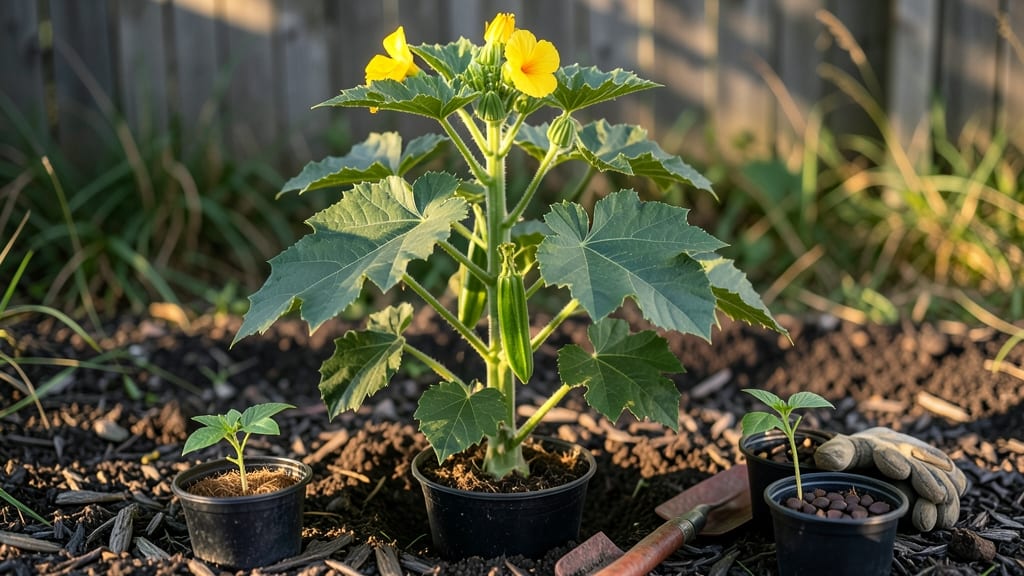
If you've ever tried growing okra in Texas only to watch your plants struggle or bolt before producing pods, you're not alone. The key to success isn't just any planting time—it's knowing the exact window when your region's heat and soil conditions align perfectly for this heat-loving crop.
Texas gardeners face unique challenges with okra—from North Texas's cooler springs to the Gulf Coast's early warmth. Plant too soon, and frost-sensitive okra 🌱 will wilt; too late, and you'll miss the 60-day growth window before summer's peak intensity.
The solution? A precise planting schedule tailored to your specific Texas zone.
I've tested okra varieties across 8a-10b zones and learned which months actually work. Whether you're in the Hill Country or East Texas, you'll discover the ideal two-week windows that maximize yield while avoiding common pitfalls like uneven germination or heat stress.
Ready to grow okra that thrives? Let's break down the science of Texas planting—including soil prep secrets and heat-resistant varieties—that will transform your garden from "maybe" to "bountiful" harvests by summer's end.
Best planting months for okra in Texas by region (2024 guide)
Okra thrives in Texas’s hot summers, but timing is critical. The last frost date varies dramatically—from February 15 in North Texas to January 1 in South Texas.
For spring planting, aim for March to May when soil temps hit 60°F+. Fall plantings work in September to October for a late harvest before frost.
Texas’s three distinct regions (North, Central, South) each have unique microclimates. North Texas gardeners face cooler nights, while South Texas enjoys extended heat. Central Texas sits in between, with Hill Country areas needing extra caution against early frosts. Let’s break down the best windows for each zone.
⚠️ CRITICAL FACTOR: Okra seeds won’t germinate below 60°F soil temps. Use a soil thermometer to confirm readiness. Planting too early leads to slow growth or rot from cold soil. Patience here pays off with bigger yields.
| Region | Spring Planting Window | Fall Planting Window | Key Considerations |
|---|---|---|---|
| North Texas (USDA 7b-8a) | April 15 - May 15 | September 1 - September 15 | Wait for soil >60°F; use row covers for early starts. |
| Central Texas (USDA 8a-8b) | March 15 - April 30 | August 15 - September 10 | Hill Country areas: plant after last frost (March 1). |
| South Texas (USDA 8b-10a) | February 15 - April 1 | July 15 - August 31 | Extended heat; mulch to retain moisture. |
For North Texas gardeners, April 15 is your sweet spot for spring planting. The soil warms enough for quick germination, and the longer daylight hours boost growth. Fall plantings should wrap up by September 15 to avoid early December frosts.
Use black plastic mulch to speed up soil warming in early spring.
Central Texas offers the most flexibility. Start seeds indoors in mid-March and transplant after last frost (March 1). Hill Country gardeners should wait until April 1 due to cooler nights. Fall okra thrives here until October harvests, but watch for September heat waves—water deeply to prevent stress.
In South Texas, you can push the envelope. Plant as early as February 15 if your soil is warm, but be ready for aphid outbreaks in mild winters. Fall plantings can extend into August, but hurricane season (June-November) may disrupt growth. Choose drought-resistant varieties for this region.
💡 PRO TIP: Test your soil’s pH (6.0-6.8) before planting. Okra prefers slightly acidic soil. Amend with compost or lime if needed. Well-draining soil is non-negotiable—okra hates soggy roots. Raised beds work well in clay-heavy Texas soils.
If you’re in East Texas (near the Gulf Coast), you can plant year-round with minimal frost risk. However, heat stress becomes an issue after 95°F+ temps.
Use shade cloth during peak afternoons to protect young plants. West Texas gardeners should focus on fall plantings to avoid the scorching summer sun.
For container gardening, start seeds in biodegradable pots and transplant after soil warms. Use large containers (12+ inches deep) with drainage holes. Place pots in full sun and water daily during Texas’s dry spells. Containers dry out 3x faster than ground soil.
Remember: Okra is a fast grower—from seed to harvest in just 50-60 days. Don’t let seeds sit in cold soil longer than 2 weeks or they’ll rot. If your spring planting fails
Best planting months for okra in Texas by region (2024 guide)
Okra thrives in Texas’s heat, but planting timing varies dramatically across three distinct regions. North Texas gardeners face earlier frost risks (as late as February 15), while South Texas enjoys year-round growing potential with frost-free winters.
Central Texas falls somewhere in between, with Hill Country areas needing extra caution due to cooler nights.
For spring planting, aim for March to May—but adjust based on your USDA zone. South Texas gardeners can start as early as February, while North Texas should wait until mid-April to avoid soil temperature issues below 60°F.
Fall planting (for a second harvest) works in September to October, with South Texas having a slight edge for extended growing seasons.
| Region | Spring Planting Window | Fall Planting Window | Soil Temp Requirement |
|---|---|---|---|
| North Texas (USDA 8a) | Mid-April to early May | Late August to September | 60°F+ (minimum) |
| Central Texas (USDA 8b) | Late March to April | Early September to October | 55°F+ (ideal) |
| South Texas (USDA 9a-10b) | February to March | September to November | 50°F+ (flexible) |
Use a soil thermometer to confirm readiness—okra seeds won’t germinate below 60°F. In North Texas, wait until nighttime temperatures stay above 55°F consistently. For Hill Country gardeners, microclimates near creeks or rocky slopes may allow earlier planting by 2-3 weeks compared to flatlands.
If you’re in South Texas, you can even try year-round okra with successive plantings every 6-8 weeks. Just be mindful of humidity spikes, which can increase powdery mildew risks. Mulch with straw or wood chips to maintain even soil moisture and reduce stress on young plants.
For container growing, use 5-gallon pots and plant in May—this avoids early-season heatwaves that can scorch seedlings. Place containers in partial shade during 100°F+ days to protect tender leaves while still ensuring 6+ hours of sunlight daily.
Pro tip: Mark your calendar for the last expected frost (use Texas A&M AgriLife’s frost maps) and count back 10-14 days for your planting deadline. This gives okra enough time to establish roots before summer’s relentless heat sets in—typically by mid-May in most regions.