
Plants
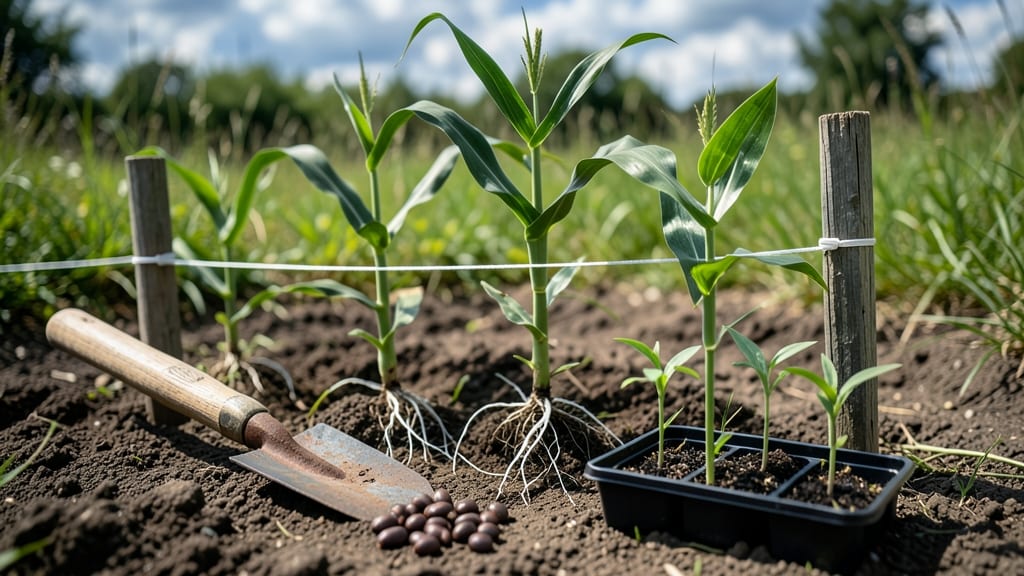
Pennsylvania corn planting timeline: exact weeks before last frost by region
Pennsylvania’s diverse climate means your corn planting window can vary by hundreds of miles. While the statewide average last frost date is around April 15, microclimates in the Poconos can delay planting by 2-3 weeks compared to Philadelphia.
Understanding these regional differences ensures your corn reaches peak sweetness before fall frosts arrive.
For sweet corn, the ideal planting window is typically 2-3 weeks after your area’s last frost date.
This gives seedlings time to establish roots before summer heat sets in. Field corn and popcorn varieties can tolerate slightly cooler soils, so they may go in 1-2 weeks earlier than sweet corn.
Soil temperature is just as critical as air temperature. Corn seeds won’t germinate well below 50°F (10°C), but 60°F (15°C) 1-2 inches deep is the sweet spot for consistent sprouting. Use a soil thermometer to confirm—this simple tool prevents costly mistakes.
Here’s how Pennsylvania’s regions break down for optimal corn planting, including frost dates and soil prep timelines:
If you’re planting popcorn or field corn, you can push the envelope slightly earlier—these varieties tolerate cooler soils better than sweet corn.
For example, in Philadelphia, you might sow popcorn seeds as early as April 15 if your soil warms quickly, while sweet corn should wait until April 25.
Pro tip: Use black plastic mulch to warm soil faster in cooler regions. Lay it down 2-3 weeks before planting to create a microclimate that speeds up germination. This is especially helpful in the Poconos, where the growing season is shorter.
For urban gardeners in cities like Philadelphia or Pittsburgh, heat from buildings and pavement can create "heat islands" that allow earlier planting. Test your soil temperature in the shadiest part of your garden first—it may lag behind sunnier spots by 3-5 days.
Remember: Corn is a heavy feeder, so amend your soil with compost or aged manure 4-6 weeks before planting. This gives nutrients time to integrate, especially in sandy soils common in Erie or Lancaster County, where nutrients drain quickly.
Once planted, maintain 1 inch of water per week—more during tasseling (when pollen forms). Drought stress at this stage leads to poor ear development, even with perfect planting timing.
Best corn varieties for Pennsylvania’s short growing season and their optimal planting windows
Pennsylvania’s short growing season (about 165 frost-free days) demands corn varieties that mature quickly while thriving in USDA Zone 6a. Choosing the right type ensures sweet, plump ears before fall frosts strike. Here are my top picks for peak yield and flavor.
For sweet corn, prioritize varieties with 60-85 days to maturity. 'Peaches and Cream' (75 days) and 'Silver Queen' (70 days) are my go-tos—they balance sweetness and cold tolerance. Popcorn lovers should try 'Bodacious' (85 days), which handles cooler soils better than most.
🌽 Pro Tip: Plant early-maturing varieties 2-4 weeks before your last frost date to maximize harvest windows. In Pittsburgh or Erie, aim for April 20-May 10, while Philadelphia or Poconos gardeners should wait until May 1-15.
🌽 Top Corn Varieties for PA
| Variety | Type | Days to Maturity | Best Planting Window | Cold Tolerance |
|---|---|---|---|---|
| Peaches and Cream | Sweet | 75 days | April 20-May 10 | High |
| Silver Queen | Sweet | 70 days | April 25-May 15 | Medium |
| Bodacious | Popcorn | 85 days | May 1-15 | High |
| Ambrosia | Sweet | 60 days | April 15-May 5 | Medium |
| Country Gentleman | Field Corn | 90 days | May 10-25 | Low |
🌱 Note: For southern PA, shift windows 1-2 weeks earlier. Northern regions (e.g., Erie) may need row covers for early plantings.
If you’re growing field corn (like 'Country Gentleman'), opt for longer-season varieties (90+ days) and plant closer to May 15 to avoid frost damage. These need warmer soils (65°F+) to germinate, so use black plastic mulch if your spring is chilly.
💡 Extension Tip: Check the PA State Extension’s frost date map annually—some years, June plantings work for succession crops of early varieties like 'Ambrosia' (60 days). Just be ready to harvest by August to avoid starchy kernels.