
Plants
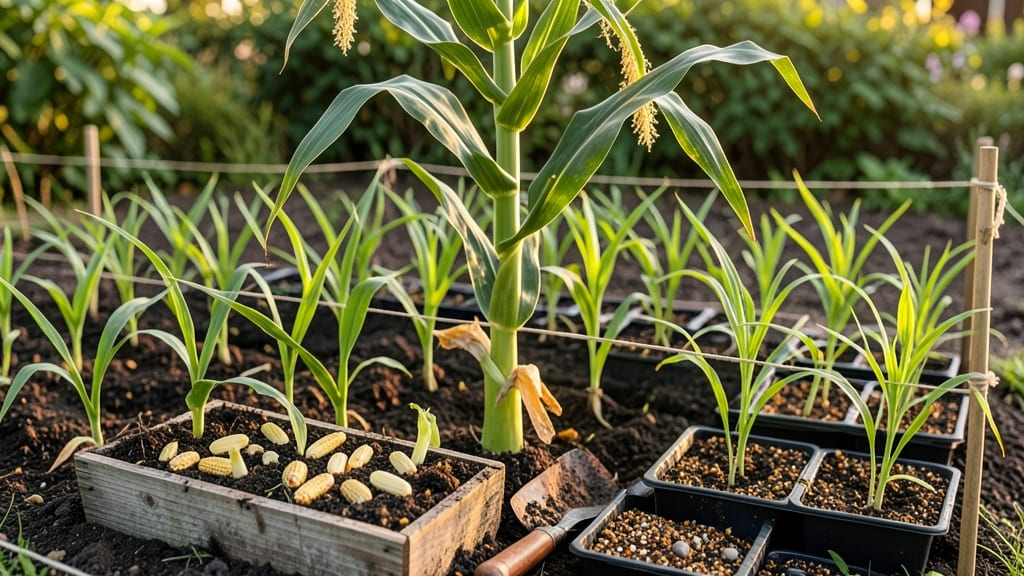
Planting corn in Indiana at the right time is the difference between a bumper crop and a disappointing harvest. With Zone 6a frost dates looming, timing matters more than you might think—especially when you’ve got just 165 days between last and first frost to grow your 🌽.
The ideal window for Indiana gardeners is mid-April to early May, when soil temperatures hit 60°F and the threat of frost has passed.
But here’s the catch: early varieties need to be in the ground by late April, while late-season options can wait until early June if you’re aiming for a fall harvest.
Why does this matter? Because corn is finicky—too early, and seedlings risk frost damage; too late, and you’ll miss the sweet spot for plump, juicy kernels. I’ll break down the exact dates for your microclimate, plus how to adjust for Indiana’s unpredictable weather.
Whether you’re growing sweet corn for summer meals or field corn for fall storage, getting the timing right ensures healthier plants, better yields, and fewer headaches. Let’s make sure your garden delivers the 🌽 you’re counting on.
Indiana corn planting dates by Zone 5b-6a microclimates: exact timing guide
Timing is everything when planting corn in Indiana, where Zone 5b-6a microclimates demand precision to avoid frost damage or stunted growth. The average last frost date hovers around April 15, but northern Indiana (Zone 5b) often faces delays, while southern areas (Zone 6a) can plant slightly earlier.
Wait until soil temperatures hit 60°F—cold soil slows germination and invites rot.
Indiana’s 165 frost-free days leave little room for error, so align your planting with historical weather patterns. Early varieties (60–75 days to maturity) can handle late starts, but standard hybrids need ideal planting between April 20–May 10.
Push it past May 15, and you risk ears forming too late for harvest before first frost in October.
Northern Indiana (Zone 5b) gardeners should aim for late April to early May, while southern Indiana (Zone 6a) can start as early as mid-April. Use row covers or greenhouses to extend the season if planting early, but never risk seedlings in unpredictable spring frosts. A soil thermometer is your best tool—corn won’t sprout reliably below 55°F.
| Zone & Location | Early Planting Window | Ideal Planting Window | Last-Resort Window | Risk Factors |
|---|---|---|---|---|
| Zone 5b (Northern IN) | Late April (after April 20) | May 1–10 | May 15 (early varieties only) | Late frosts, slow soil warming |
| Zone 6a (Southern IN) | Mid-April (after April 10) | April 20–May 5 | May 10 (fast-maturing hybrids) | Heatwaves, drought stress |
| Urban Microclimates (e.g., Indianapolis) | April 15 (protected areas) | April 25–May 5 | May 10 (with row covers) | Heat islands, uneven soil temps |
*Adjust dates 1–2 weeks earlier for raised beds or black plastic mulch.
For northern Indiana gardeners, planting before April 20 is risky—even if soil feels warm, a late frost can wipe out seedlings. Use biodegradable seedling pots or row covers to protect early plantings.
In Zone 6a, you can push the envelope slightly, but avoid planting before April 10 unless you’re using heat mats or greenhouse starts.
Soil temperature is more critical than air temperature. Corn seeds need consistent warmth to germinate—below 55°F, they rot in the ground. Test soil with a digital thermometer at 4-inch depth.
If temps fluctuate, wait for 3 consecutive days above 60°F before planting. Black plastic mulch can warm soil by 5–10°F, letting you plant 1–2 weeks earlier.
If you miss the ideal window, don’t panic—succession planting can save your harvest. For late plantings after May 15, choose short-season varieties (e.g., ‘Golden Bantam’, ‘Pioneer 32N33’) that mature in 60–75 days.
Plant in small blocks every 2 weeks to stagger harvests. Just ensure ears form at least 90 days before first frost.
Indiana’s unpredictable weather means even the best-laid plans can go awry. If a late frost hits after planting, cover seedlings with floating row covers or old bedsheets until temps rise.
For drought years, prioritize deep watering (1–2 inches per week) during tasseling and ear formation. Mulch with straw or grass clippings to retain moisture and regulate soil temperature.
Pro tip: Keep a gardening journal to track your local microclimate. Note when soil warms, frost dates, and how varieties perform. Over time, you’ll refine your planting schedule to match your specific Indiana location.
For example, elevated areas (like north-central Indiana) may frost later than valleys, while urban heat islands (like Indianapolis) can plant 1 week earlier.
Remember, corn thrives on warmth and consistency. Rush planting, and you’ll battle slow germination, blight, or immature ears. Play it safe: wait for soil at 60°F, use row covers if needed, and stick to the ideal window.
With these Indiana-specific guidelines, you’ll maximize yields and enjoy sweet, homegrown corn from late July to October.
How to adjust corn planting dates for Indiana’s unpredictable weather patterns
Indiana’s weather can throw curveballs—late frosts in May or early heatwaves in April. If you’re used to planting corn in mid-April, a sudden cold snap could devastate your seedlings.
The key is flexibility: adjust your schedule based on soil temperatures, frost forecasts, and microclimate differences between northern and southern Indiana.
For example, Zone 5b areas (like northern Indiana) may need to wait until late April for safe planting, while Zone 6a regions (southern Indiana) can start as early as early April. Always check the 7-day frost forecast before planting—even if your neighbors are already sowing!
🌱Pro Tip: Use a soil thermometer ($10 at garden centers) to confirm soil temps are at least 60°F before planting. Corn seeds won’t germinate below this threshold, no matter how eager you are to see sprouts!
🔍 5 Critical Adjustments for Indiana’s Weather
- 1. Delay for Late Frosts: If frost is forecasted 3–5 days after your planned planting date, wait. Seedlings can’t survive below 32°F.
- 2. Use Row Covers: Lay frost blankets over seedlings if nights dip near freezing. This buys you 1–2 extra weeks of growing time.
- 3. Plant in Blocks: Sow corn in 3 separate batches (2-week intervals) to stagger harvests and reduce weather-related losses.
- 4. Check Rainfall: If drought conditions are forecasted, plant earlier to give roots time to establish before summer heat arrives.
- 5. Have a Backup Plan: Keep 5–10 extra seeds on hand for replanting if early seedlings fail due to pests or weather.
Another trick is to plant fast-maturing varieties (like ‘Golden Bantam’, which matures in 75 days) if you’re worried about early fall frosts. These varieties can still produce ears even if planted as late as early June, though yields may be smaller.
For organic gardeners, consider using compost tea or fish emulsion to harden seedlings before transplanting. This helps them withstand temperature fluctuations better than untreated plants. Just apply it 1–2 weeks before your target planting date.
Finally, pay attention to wind patterns. Open fields in northern Indiana can experience windburn on young corn, stunting growth. If your garden is exposed, plant near a windbreak (like a fence or shrubs) or use burlap wind screens for the first few weeks.