
Companion Plants
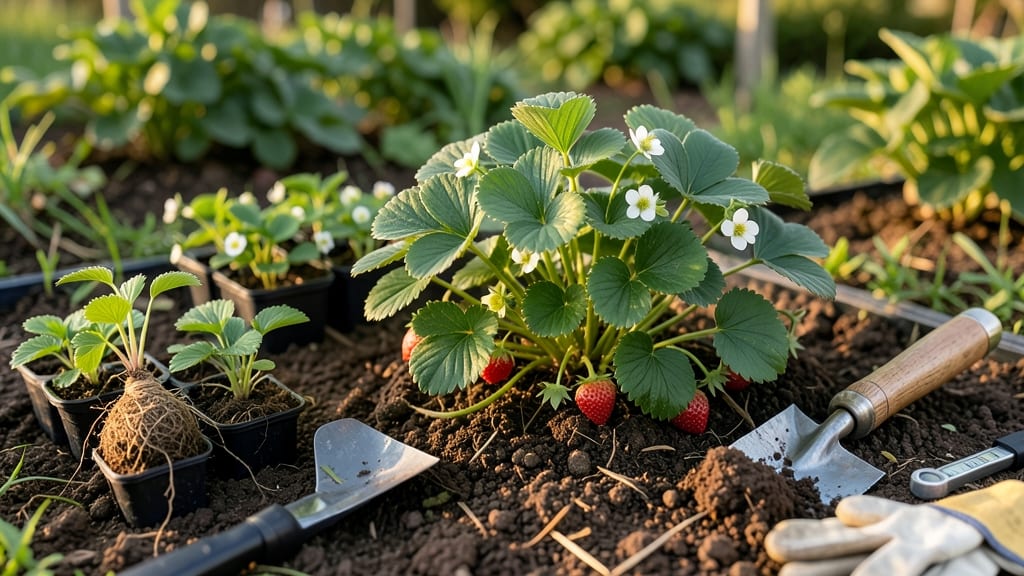
Planting strawberries in Zone 6 at the wrong time can mean tiny berries—or no harvest at all. The sweet spot for your 🍓 plants is a narrow window between frost risks and summer heat, and getting it right makes all the difference for juicy, abundant yields.
If you’ve ever wondered why your strawberries struggle to thrive, chances are you planted them too early or too late. Zone 6’s 6a-6b climate gives you two prime chances: early spring (March–April) when soil warms to 40°F, or late summer (July–August) for a fall harvest.
But timing isn’t just about dates—it’s about soil temperature, frost dates, and whether you’re using bare-root plants or potted varieties.
I’ll break down exactly when to plant for your location, how to prep your soil for success, and the one mistake most gardeners make that kills their strawberry beds before they even get started. Ready to grow berries that taste like summer?
Whether you’re a first-time gardener or a seasoned pro, these actionable tips will help you avoid common pitfalls and maximize your harvest. Let’s get those strawberries in the ground at the perfect moment!
Optimal planting windows for strawberries in Zone 6 (with frost dates)
Zone 6 gardeners have two prime windows to plant strawberries: early spring (March-April) and late summer (July-August). These timing choices align with soil temperatures and frost risks—critical factors for strawberry success in this climate zone.
The average last frost date in Zone 6 is April 15, while first frost typically arrives around October 15, giving you about 165 frost-free days to work with.
For June-bearing varieties, early spring planting is ideal because they need the full growing season to mature. Meanwhile, everbearing types can handle both spring and fall plantings, producing fruit twice a year. Understanding these differences helps you maximize your harvest potential without wasting time or resources on failed plantings.
Here’s the key: Soil temperature must reach 40°F (4°C) for planting. In Zone 6, this usually happens by mid-March in most areas. If you plant too early when soil is still cold, roots won’t establish properly, leading to weak plants vulnerable to disease.
Always check soil temperature with a soil thermometer before planting.
Microclimates in Zone 6 can shift planting windows by 2-3 weeks. South-facing slopes warm up faster, while low-lying areas may stay cold longer. Observe your garden’s unique conditions—if your yard consistently warms up 10 days later than neighbors, adjust your planting date accordingly.
This attention to detail can mean the difference between a thriving patch and a failed crop.
Fall planting in Zone 6 should occur 6-8 weeks before first frost. This gives plants time to establish roots before winter dormancy. For most of Zone 6, July-August is the sweet spot.
Fall-planted strawberries often produce larger berries the following year because they focus energy on root growth rather than fruiting.
| Planting Window | Ideal Months | Soil Temp Requirement | Best Varieties | Frost Risk |
|---|---|---|---|---|
| Early Spring | March-April | 40°F (4°C) | June-bearing (Honeyoye, Jewel) | Low (after last frost) |
| Late Summer | July-August | 50°F (10°C) | Everbearing (Seascape, Tristar) | Moderate (6-8 weeks before first frost) |
If you’re planting bare-root strawberries, soak the roots in water for 1-2 hours before planting to revive them. For potted plants, gently remove them from containers and tease apart roots if they’re circling.
Both methods require planting the crown (where leaves meet roots) at soil level—burying it too deep causes rot, while planting too high leads to poor anchorage.
Zone 6 gardeners often ask about planting in February. While possible in warmer microclimates, most of Zone 6 experiences frost risks and cold soil. If you must plant early, use row covers or cold frames to protect young plants.
However, waiting until soil warms naturally in March reduces stress on your strawberries and improves survival rates.
For container growing in Zone 6, timing shifts slightly. Containers warm up faster, so you can plant 2-3 weeks earlier than in-ground beds. Choose 5-gallon pots with drainage holes and use a lightweight potting mix to prevent root asphyxiation.
Containers also allow you to move plants to protected spots if frost threatens unexpectedly.
Remember: Planting too late in spring (after May) risks overly mature plants that produce fewer berries. Similarly, fall plantings after September 1 may not establish roots before winter. Stick to these proven windows, and you’ll enjoy sweeter, more abundant strawberries year after year in Zone 6.
🍓
How to prepare your Zone 6 garden for strawberry planting (soil & site tips)
Preparing your Zone 6 garden for strawberries starts with soil testing—strawberries thrive in slightly acidic soil (pH 5.5–6.8). Use a simple soil test kit to check your garden’s pH before planting.
If your soil is too alkaline, amend it with sulfur or peat moss to lower the pH gradually over a few weeks.
Strawberries need well-draining soil to prevent root rot, which is common in Zone 6’s variable spring rains. If your soil is heavy clay, mix in compost, sand, or coconut coir to improve drainage.
Aim for a loose, crumbly texture—think of it like a fluffy cake batter, not dense mud.