Companion Plants
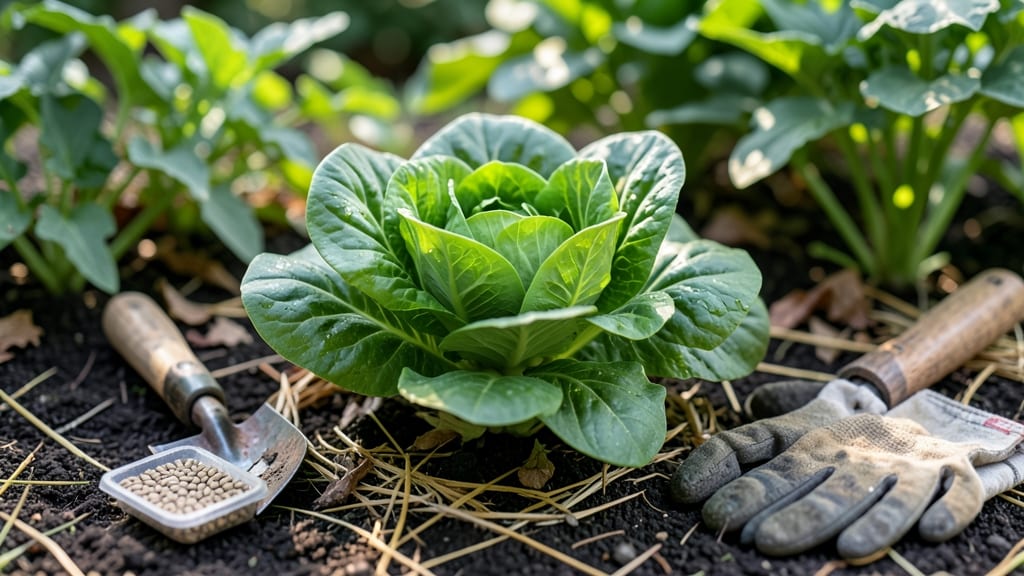
Knowing when to plant lettuce in Zone 7 is the difference between a thriving garden and a sad, bolted mess. 🥬 Whether you're dreaming of crisp spring salads or planning a fall harvest, timing matters more than you might think.
The key is understanding Zone 7's frost dates and how they shape your planting schedule. Too early, and frost will turn your tender seedlings into icy souvenirs.
Too late, and your lettuce will bolt before you can even say "harvest." Let me break down the exact windows that work best for your climate.
We'll cover both spring and fall planting strategies, including how to stretch your growing season with heat-tolerant varieties. You'll learn when to start seeds indoors, when to direct-sow, and how to avoid common mistakes that sabotage lettuce gardens.
By the end, you'll have a clear planting calendar tailored to Zone 7's unique conditions. Ready to grow lettuce that actually makes it to your plate? Let's get started.
Zone 7 lettuce planting calendar: frost dates & optimal months
In Zone 7, lettuce thrives when planted during the cooler months of spring and fall. The key is avoiding heat stress, which causes bolting (premature flowering). Your last frost date typically falls around March 15, while the first frost arrives by November 15.
This gives you a 180-day frost-free window—perfect for two lettuce crops per year.
Timing is critical because lettuce grows best in 50-65°F soil temperatures. Plant too early, and frost will damage tender seedlings. Wait too long, and summer heat will send your lettuce bolting before you can harvest. The sweet spot? March-April for spring and August-September for fall crops.
📅 Spring Planting (Best for Crisp Heirloom Varieties):
| Stage | Action | Notes |
|---|---|---|
| 4-6 Weeks Before Last Frost | Start Seeds Indoors | Use grow lights for 12-14 hours/day |
| 2 Weeks Before Last Frost | Hardening Off Seedlings | Acclimate to outdoor temps for 1 week |
| After Last Frost (March 15) | Direct Sow or Transplant | Space 8-12 inches apart in partial shade |
| May-June | Harvest Outer Leaves | Avoid cutting into the center to extend harvest |
For fall lettuce, the process mirrors spring but works backward. Begin sowing heat-tolerant varieties like Romaine or Buttercrunch in mid-August to ensure harvest before the first frost. These varieties handle 75-80°F temps better than traditional types, making them ideal for late-season planting.
Pro tip: Use a shade cloth (30-50%) during summer months to protect seedlings from intense sun. This mimics cooler conditions and delays bolting. I’ve had great success with black mesh fabric draped over my lettuce beds in July-August—it keeps soil temps down while still allowing light.
If you’re in northern Zone 7 (e.g., Cincinnati, Pittsburgh), your frost dates may shift slightly earlier. Check your local USDA Plant Hardiness Zone Map for precise dates, but these general guidelines work for most of the region.
For southern Zone 7 (e.g., Atlanta, Raleigh), you can push spring planting into late February and fall planting into early October.
One common mistake is planting lettuce too early in February. While some cold-hardy varieties like Winter Density can handle light frost, seedlings may rot in 40°F soil. Wait until soil temps rise above 45°F—usually mid-March—for best results.
For container growing, use 5-gallon pots or larger to accommodate lettuce’s shallow roots. Containers warm up faster than garden beds, so start them 2 weeks later than in-ground plantings to avoid heat stress. Place pots in partial shade during peak afternoon sun (1 PM–4 PM).
Remember: Succession planting is your secret weapon. Sow a new batch of seeds every 2 weeks from March through May to ensure a steady supply of fresh lettuce. This method also helps you rotate varieties and prevent soil-borne diseases.
🌱
How to extend your lettuce harvest: succession planting & shade solutions
Zone 7’s warm summers can turn your lettuce into bitter, bolted frustration—but with the right strategies, you can enjoy fresh harvests year-round. The key lies in succession planting and smart shade management to keep your lettuce cool and happy.
Start by planting your first batch of lettuce seeds 4-6 weeks before your last frost date (typically mid-March in Zone 7). Then, every 2-3 weeks after that, sow new seeds to ensure a continuous supply of fresh leaves.
For summer planting, opt for heat-tolerant varieties like 'Jericho' or 'Black Seeded Simpson' and use shade cloth (30-50%) to block intense afternoon sun. This simple trick can delay bolting by weeks.
🌱
- 📅 March-April: Start first batch 4-6 weeks before last frost
- 📅 Every 2-3 weeks: Sow new seeds until mid-May
- 📅 August-September: Plant heat-tolerant varieties for fall harvest
- 🌞 30-50% shade cloth: Use in peak summer months (June-August)
- 🌳 Dappled shade: Plant under taller crops like corn or sunflowers
- 🏡 Container gardening: Move pots to shaded areas during hottest hours
- 🥬 Jericho: Handles heat better than most varieties
- 🥬 Black Seeded Simpson: Slow to bolt in warm weather
- 🥬 Romaine (like Parris Island): More heat-resistant than butterhead
With these techniques, you can enjoy fresh lettuce from late spring through fall, even in Zone 7's challenging summer heat. The secret is staying one step ahead of the heat with strategic planting and shade.
🌿