
How To
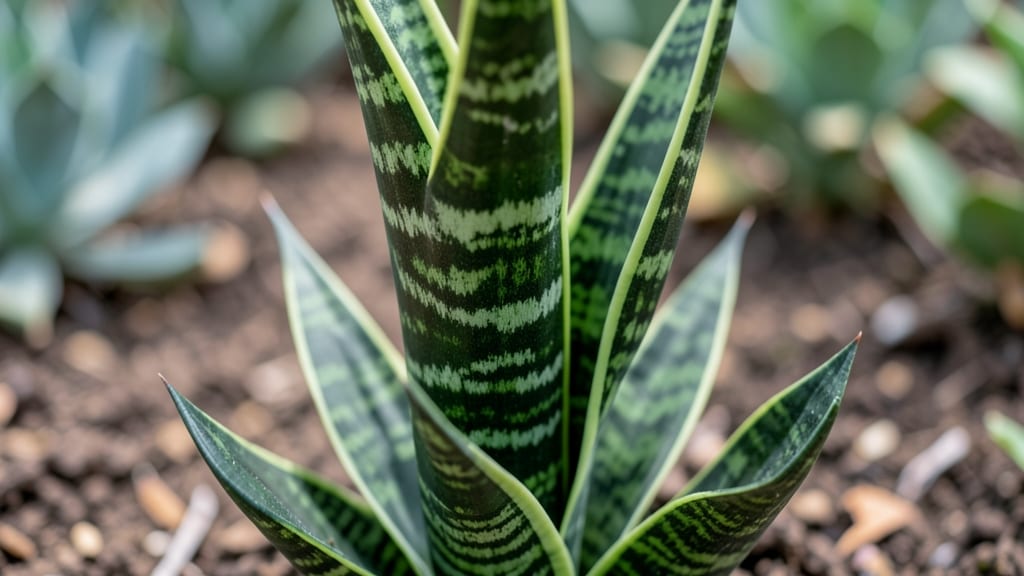
If you’ve ever wondered how tall your snake plant 🌱 could grow, the answer might surprise you—some varieties stretch nearly as high as your ceiling while others stay compact and manageable.
This resilient plant is famous for thriving on neglect, but its height potential depends on more than just luck.
Whether you’re dealing with a Sansevieria trifasciata 'Laurentii' reaching for the sky or a dwarf variety staying close to the ground, understanding growth patterns helps you plan your space.
I’ll break down the exact height ranges for popular types and what factors—like light, pot size, and variety—really control how tall your snake plant becomes.
You don’t have to wait years to see results, either. I’ll share the growth milestones by age so you know what to expect in the first year, second year, and beyond. Plus, I’ll cover how to manage overgrowth if your plant starts outpacing your decor.
Ready to stop guessing and start growing with confidence? Let’s dive into the science—and secrets—behind snake plant heights, so you can keep your plant happy (and your space organized).

Snake plant height by variety: exact growth ranges for 5 most popular types
If you’ve ever glanced at your snake plant and wondered, "Will this thing ever stop growing?" you’re not alone. The height of a snake plant depends entirely on its variety—some stay compact while others reach towering heights.
Let’s break down the mature size and growth habits of the 5 most popular snake plant varieties so you can predict how tall yours might get.
Snake plants (Sansevieria trifasciata and its cultivars) are known for their slow, steady growth. However, their final height can vary dramatically depending on the specific variety. For example, the 'Hahnii' variety stays small and bushy, while the 'Futura Superba' can grow tall and striking.
Knowing these differences helps you choose the right plant for your space.
Below is a quick reference table showing the expected height for each variety at maturity, along with key care notes to help you manage their growth. This will give you a clear idea of whether your snake plant will stay table-height or reach for the ceiling.
| Variety | Mature Height | Growth Rate | Growth Habit |
|---|---|---|---|
| Sansevieria 'Laurentii' | 2–4 feet | Slow to moderate | Upright, arching leaves |
| Sansevieria 'Futura Superba' | 3–5 feet | Moderate | Tall, slender leaves |
| Sansevieria 'Hahnii' | 1–2 feet | Very slow | Compact, rosette-forming |
| Sansevieria 'Zeylanica' | 1–3 feet | Slow | Short, broad leaves |
| Sansevieria 'Moonshine' | 2–3 feet | Moderate | Upright, variegated leaves |
The 'Futura Superba' is the tallest of the bunch, often reaching 5 feet in ideal conditions, while the 'Hahnii' variety stays small and bushy, perfect for shelves or desks. If you’re worried about your snake plant outgrowing its space, consider the 'Hahnii' or 'Zeylanica'—both are great for compact areas.
Light exposure plays a huge role in how tall your snake plant grows. While they thrive in low light, placing them near a bright, indirect window can encourage faster (but controlled) growth.
However, too much direct sunlight can cause the leaves to stretch and grow unevenly, which might make them appear taller than they should.
Another factor to consider is the pot size. Snake plants grow taller when root-bound, so if you want to control height, choose a slightly larger pot every few years.
This gives the roots more room to spread out horizontally, which can slow vertical growth. For varieties like the 'Laurentii', this is especially useful if you’re keeping it indoors.
If you’re still unsure about your snake plant’s potential height, think about its current growth rate. A juvenile snake plant (under 1 year old) grows about 1–2 inches per year, while a mature plant may only add 2–4 inches annually.
This slow growth means you won’t see dramatic changes overnight, but over time, the differences in variety become clear.
For those who love the look of a tall snake plant but have limited space, consider pruning. You can trim the leaves to maintain a desired height, and the cuttings can be propagated to grow new plants.
This is a great way to keep your snake plant at a manageable size while still enjoying its striking appearance.
Now that you know the height expectations for each variety, you can choose the perfect snake plant for your home. Whether you want a compact desk plant or a statement piece for your living room, there’s a snake plant variety that fits your needs.
How fast do snake plants grow? Growth stages and height milestones by age
Snake plants (Sansevieria) are famously slow growers, but their growth patterns follow predictable stages. Understanding these milestones helps you set realistic expectations for your plant's height progression over time.
Most varieties grow just 1-3 inches per year under ideal conditions, but factors like light exposure and pot size can accelerate or slow this growth.
In their first year, snake plants typically reach 12-24 inches tall, with the fastest growth occurring in spring and summer. This early stage is when you'll notice the most vertical development, as the plant establishes its root system.
Varieties like 'Futura Superba' may grow slightly faster during this period, while 'Hahnii' tends to stay more compact.
By year two, your snake plant will likely hit 2-3 feet in height, though this varies by variety. This is when you'll see the plant's mature foliage shape emerge more clearly.
For example, the arching leaves of 'Hahnii' will become more pronounced, while 'Laurentii' will develop its signature yellow edges more distinctly. Proper care during this stage ensures the plant maintains its structural integrity.
🌱 Snake Plant Growth Timeline
- 🌱 Year 1: 12-24 inches (juvenile stage)
- 🌿 Year 2: 2-3 feet (early maturity)
- 🌳 Year 3+: 3-4 feet (full maturity)
- ✂️ Year 5+: Possible height reduction if pruned
Note: Growth rates can double in optimal conditions (bright indirect light, proper pot size).
After three years, your snake plant will likely reach its mature height of 3-4 feet, though some varieties like 'Zeylanica' may max out at 2 feet. This is when growth slows significantly, as the plant focuses on maintaining its existing foliage rather than producing new leaves.
The key to encouraging continued growth at this stage is providing bright, indirect light and ensuring the plant isn't root-bound.
Light exposure plays a crucial role in determining growth speed. Snake plants in low-light conditions may grow just 6-12 inches per year, while those in bright indirect light can reach 18-24 inches annually.
The difference becomes particularly noticeable in varieties like 'Moonshine', which develops its signature golden hue more quickly with ample light exposure.
Pot size also affects vertical growth. Snake plants in smaller pots (6-8 inches) tend to grow taller as they compete for nutrients, while those in larger pots (10+ inches) may produce more foliage width.
If you're concerned about your plant becoming too tall, consider repotting into a wider container to encourage bushier growth patterns. This technique works particularly well for 'Futura Superba', which can become quite leggy in narrow pots.
Remember that snake plants are perpetual growers—they never truly stop growing, though their rate slows dramatically after maturity. With proper care, some plants have been known to live and grow for decades, gradually increasing in size.
The key is patience and consistent care, as these plants reward long-term commitment with their striking foliage and air-purifying benefits. 🌱