
Plants
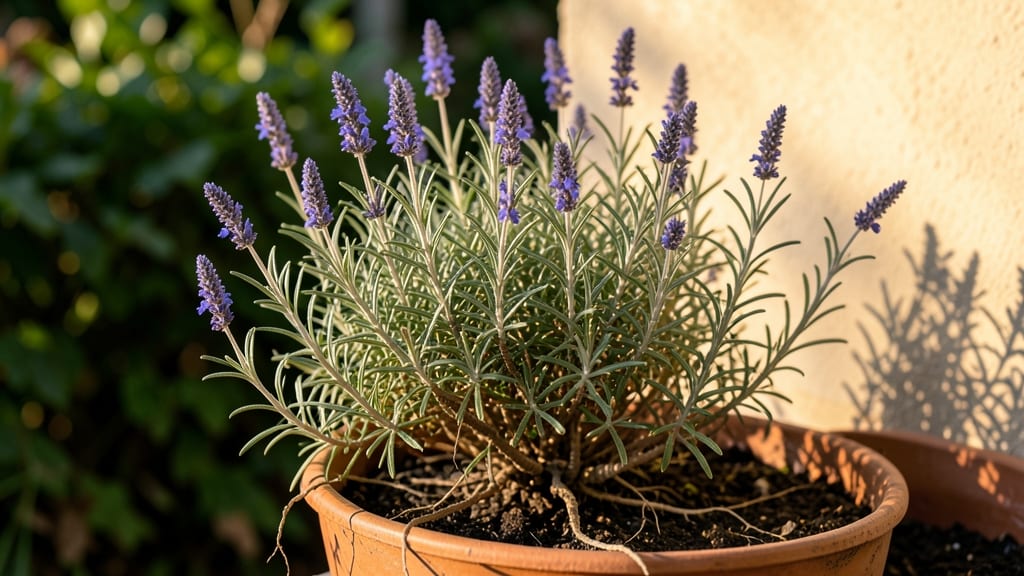
If you're wondering how tall a rosemary plant grows, the answer depends on whether you're growing a bushy variety or a climbing type—because this herb can range from a compact 1-foot shrub to a towering 6-foot beauty.
For most gardeners in Zone 6a, rosemary typically matures between 2–4 feet in its first year, with full height reached by Year 2. This makes it perfect for kitchen gardens, container growing, or even as a fragrant hedge.
But if you choose a climbing variety like 'Blue Spires,' expect it to stretch taller—sometimes reaching 6 feet or more.
The key to controlling its height lies in pruning and spacing. Regular trimming encourages bushier growth, while allowing it to sprawl can lead to taller, leggier plants. Whether you want a compact bush or a dramatic vertical accent, understanding these growth habits helps you plan your garden layout.
Ready to grow rosemary? I’ll show you how to pick the right variety for your space and keep it at the perfect height—whether you’re aiming for a 1-foot dwarf or a 6-foot statement plant. Let’s get started!

Rosemary plant height: standard growth ranges for bush and climbing varieties
Rosemary is a versatile herb that can thrive as either a compact bush or a tall, sprawling climber, depending on its variety and growing conditions. Understanding these growth ranges helps you choose the right spot in your garden or container setup.
Most standard rosemary varieties reach 3 to 5 feet tall when mature, while some climbing types can stretch up to 6 feet or more.
For gardeners with limited space, dwarf rosemary varieties are ideal, typically staying between 1 to 2 feet tall. These are perfect for windowsills, small pots, or as edging plants in herb gardens.
On the other end of the spectrum, climbing or trailing rosemary can create stunning vertical displays when trained on trellises or allowed to cascade over walls.
The height of your rosemary plant also depends on factors like sunlight exposure, soil drainage, and pruning habits. In full sun and well-draining soil, rosemary tends to grow taller and more robust.
However, if you're growing it in partial shade or poor soil, expect a more compact growth habit.
Here’s a quick comparison to visualize how rosemary’s height varies by type and care:
| Variety Type | Mature Height Range | Growth Habit | Best For |
|---|---|---|---|
| Dwarf Varieties | 1–2 feet | Compact bush | Containers, windowsills, small gardens |
| Standard Bush | 3–5 feet | Upright, rounded | Herb gardens, borders, kitchen gardens |
| Climbing/Trailing | 4–6+ feet | Vining, sprawling | Trellises, vertical gardens, walls |
If you’re growing rosemary in containers, height can be controlled more easily. A 5-gallon pot will limit most varieties to 2 to 3 feet tall, while larger containers can accommodate taller types.
For example, the 'Blue Spires' variety is known for its vibrant blue foliage and can reach 5 feet tall in ideal conditions, making it a stunning focal point in a Mediterranean-themed garden.
In ground plantings, rosemary’s height can vary significantly based on soil quality. Well-draining, sandy soil encourages taller growth, while clay-heavy or waterlogged soil can stunt its development. Always amend your soil with compost or perlite to improve drainage and promote healthier, taller growth.
Another factor influencing height is pruning frequency. Regular pruning encourages bushier growth and can keep taller varieties in check.
For instance, if you’re growing 'Arp' rosemary, a popular upright variety, pruning back by one-third in early spring will help maintain a 3 to 4-foot height while keeping it dense and productive.
For those with limited vertical space, consider growing rosemary as a ground cover. Varieties like 'Prostratus' spread horizontally, staying under 1 foot tall but spreading up to 3 feet wide. This makes it perfect for slopes, rock gardens, or as a living mulch to suppress weeds.
Remember, rosemary’s height isn’t just about aesthetics—it also affects harvesting ease and plant health. Taller varieties may require sturdy supports or regular pruning to prevent flopping over, especially in windy conditions. Meanwhile, dwarf varieties are easier to harvest but may produce smaller yields of sprigs.
🌿
Rosemary plant height: standard growth ranges for bush and climbing varieties
Rosemary plants typically grow between 1 to 6 feet tall, depending on the variety and growing conditions. Most gardeners start with bush-type rosemary, which stays compact at 1–3 feet, perfect for kitchen gardens or container growing.
Meanwhile, trailing or climbing varieties can reach 4–6 feet or more, making them ideal for trellises or tall herb spirals.
The mature height of your rosemary depends on three key factors: genetics (variety), pruning habits, and environmental conditions like sunlight and soil quality. For example, 'Arp' rosemary stays under 2 feet tall, while 'Blue Spires' can climb to 5 feet or taller with proper support.
Understanding these ranges helps you plan spacing and pruning strategies.
| Variety Type | Height Range | Growth Habit | Best For |
|---|---|---|---|
| Bush | 1–3 feet | Upright, compact | Containers, kitchen gardens |
| Semi-Dwarf | 2–3 feet | Medium height, bushy | Herb spirals, borders |
| Climbing/Trailing | 3–6 feet | Vining, sprawling | Trellises, vertical gardens |
| Dwarf | Under 12 inches | Low-growing, spreading | Window boxes, edging |
In full sun conditions (6+ hours daily), rosemary grows taller and bushier, while partial shade can stunt its growth and reduce fragrance. Well-draining, sandy or gravelly soil encourages healthier root systems, which supports taller growth.
If your rosemary isn’t reaching its expected height, check for poor drainage or lack of sunlight, as these are common culprits.
For container-grown rosemary, height is easier to control since root space is limited. Choose a pot at least 12–18 inches deep for bush varieties, but if you’re growing a climbing type, opt for a tall, narrow container with a trellis.
Root-bound plants often grow slower, so repot every 2–3 years to maintain vigor and encourage upward growth.
Proper pruning techniques can also influence height. Regular trimming of new growth tips promotes bushier, shorter plants, while leaving stems longer encourages vertical growth. Aim to prune 2–3 times per year—after flowering, in early spring, and again in late summer—to shape your rosemary and control its height naturally.
If you’re growing rosemary for culinary or aromatic purposes, taller varieties (like 'Hill Hardy') are ideal for harvesting long sprigs, while dwarf varieties (like 'Prostratus') are perfect for ground cover or small-space gardens. Always consider your garden layout and intended use when selecting a variety!