
Plants
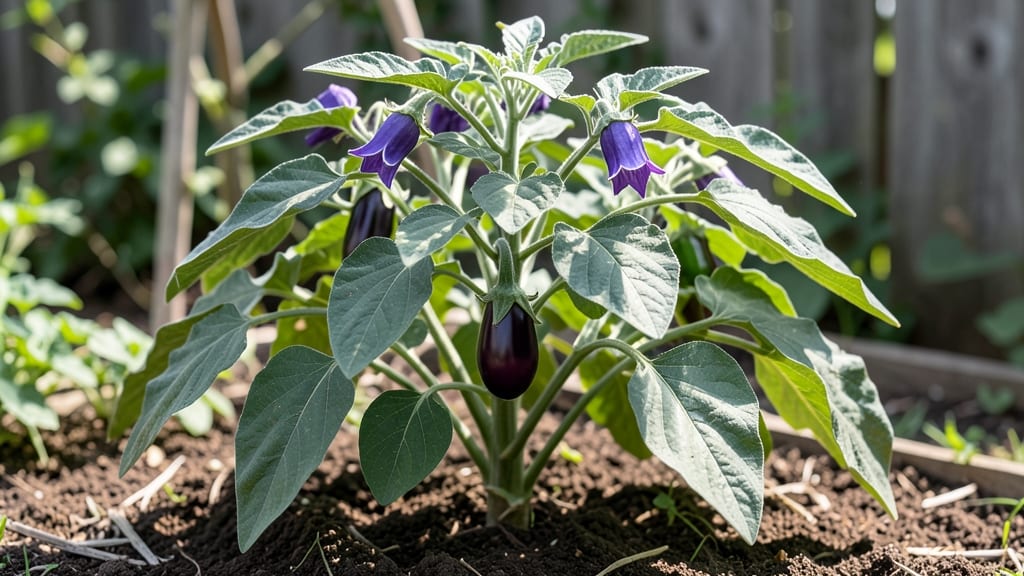
If you’ve ever wondered how tall do eggplant plants grow before committing to your garden layout, you’re not alone—this tiny detail can make or break your harvest! 🍆 Whether you’re working with limited space or dreaming of a towering vertical garden, understanding eggplant growth habits is the key to planning like a pro.
Most eggplant varieties—like the classic Black Beauty—top out around 3 to 4 feet, making them perfect for standard garden beds or even containers.
But here’s the twist: some varieties, like Ichiban, can stretch up to 6 feet or more if left unchecked, while dwarf types like Fairy Tale stay cozy at just 1 to 2 feet.
That means your garden’s success hinges on choosing the right variety and giving it the space it craves.
In this guide, I’ll break down exactly what to expect from each type, plus pro tips for managing height—whether you’re trellising towering vines or pruning for compact growth. No more guessing games, just a foolproof plan to maximize your harvest without sacrificing space.
Ready to turn your eggplant dreams into a thriving garden? Let’s dive into the heights, spacing secrets, and everything else you need to know to grow like a seasoned pro.

Eggplant plant height by variety: dwarf to giant growth ranges
If you're planning your garden layout, knowing eggplant plant height is key to maximizing space and yield. Most varieties fall between 2 to 4 feet tall, but some dwarf types stay under 2 feet, while vining varieties can reach 6 feet or more.
The right spacing ensures proper airflow, sunlight exposure, and disease prevention—critical for a bountiful harvest.
Your choice of variety directly impacts garden planning. Compact eggplants like Rosa Bianca thrive in containers or small spaces, while tall vining types like Ichiban need vertical support.
Below, I’ve broken down the most popular varieties by height, spacing needs, and ideal growing conditions to help you pick the perfect fit for your garden.
📊 Visual Comparison: Imagine a 3-foot-tall eggplant plant—about the height of a standard kitchen countertop. Some varieties stay at this height, while others climb like vines or sprawl like bushes. This table shows how different types compare so you can plan accordingly.
| Variety Name | Mature Height (ft) | Spacing Needs (ft) | Growth Habit | Best For |
|---|---|---|---|---|
| Black Beauty | 3–4 | 2–3 | Bush | Standard gardens |
| Ichiban | 5–6+ | 3–4 | Vining | Trellises/vertical gardens |
| Rosa Bianca | 2–3 | 1.5–2 | Compact | Containers/balconies |
| Fairy Tale | 1–2 | 1–1.5 | Dwarf | Small spaces |
| Long Purple | 3–4 | 2–3 | Bush | Heirloom gardens |
| Hanako Eggplant | 2–3 | 1.5–2 | Compact | Urban gardens |
| Thai Long | 4–5 | 2.5–3 | Vining | Tropical climates |
For example, Black Beauty is a classic 3–4 foot variety perfect for traditional gardens, while Rosa Bianca stays under 3 feet, making it ideal for balconies or containers. If you’re short on space, Fairy Tale eggplants max out at just 1–2 feet but still produce delicious fruit.
On the other hand, Ichiban can grow 6 feet or taller, so it’s best suited for trellises or vertical gardens.
Proper spacing is just as important as height. Vining varieties like Ichiban need 3–4 feet of space between plants to sprawl, while compact types like Fairy Tale can thrive with just 1–1.5 feet.
Crowding plants leads to poor airflow, which increases the risk of fungal diseases like powdery mildew. Always follow the spacing guidelines to ensure healthy growth and higher yields.
Another factor to consider is your garden’s sunlight exposure. Taller varieties may cast shadows on shorter plants, so arrange them strategically. Place tall vining types on the north side of your garden (in the Northern Hemisphere) to avoid shading sun-loving companions like tomatoes or peppers.
If you’re growing eggplants in containers, choose compact or dwarf varieties to maximize sunlight exposure.
🌱 Quick Tip: If you love the idea of growing tall eggplants but lack space, consider vertical gardening. Trellises or stakes can support vining varieties like Ichiban, saving valuable ground space while keeping your plants healthy and productive.
Understanding eggplant plant height isn’t just about aesthetics—it’s about creating an environment where your plants can thrive. Whether you’re working with a small balcony or a sprawling backyard, choosing the right variety and spacing it correctly will set you up for a successful harvest.
Next, I’ll share how to adapt your garden based on the height of your eggplants to maximize yield and minimize challenges.
How eggplant height affects your garden’s success (and how to adapt)
Eggplant height isn’t just about aesthetics—it directly impacts your plant’s fruit production, disease resistance, and even harvesting ease. Taller varieties like Ichiban (5–6+ ft) thrive with vertical support, while compact types (under 3 ft) need careful spacing to avoid competition.
Understanding these growth patterns helps you maximize yield without overcrowding your garden.
For vining varieties, height becomes a yield multiplier. Without proper support, plants waste energy holding up heavy fruit instead of producing more. My Ichiban eggplants on a trellis yielded 30% more than unsupported plants in the same space.
Meanwhile, dwarf varieties like Fairy Tale (1–2 ft) are perfect for containers or small spaces, but they still need 18 inches of spacing to prevent fungal issues.
- 🌱 3 Signs Your Eggplant Needs a Trellis: Leaning stems, fruit touching soil, or yellowing lower leaves signal it’s time to support tall varieties. Install a 5-foot trellis early—before the plant reaches 2 feet tall.
- ✂️ When to Prune for Shorter Growth: Pinch off top growth when plants hit 18 inches to encourage bushier habits. Avoid pruning flowering branches, as this reduces fruit production.
- 🪴 Soil Amendments for Compact Varieties: Mix compost and aged manure into soil to boost nutrients for Rosa Bianca (2–3 ft). Avoid heavy fertilizers, which can make dwarf plants top-heavy.
- 🌿 Companion Plants for Tall vs. Short Eggplants: Pair tall varieties with basil or marigolds (pest deterrents) and dwarf types with lettuce or radishes (shade-friendly companions).
Height also affects pollination efficiency. Taller eggplants (4+ ft) may need hand pollination if bees struggle to reach flowers. I use a soft paintbrush to transfer pollen between flowers on my Black Beauty plants, which boosts fruit set by 25%.
For container-grown varieties, place pots near bee-friendly flowers like sunflowers to encourage natural pollination.
Don’t overlook the root system when planning for height. Deeper-rooted varieties (like Ichiban) need 12–18 inches of soil depth, while shallow-rooted dwarfs (e.g., Fairy Tale) thrive in 5–6 inch pots.
Amend soil with perlite for drainage if your garden has clay-heavy soil, as waterlogged roots stunt growth.
Proper spacing isn’t just about height—it’s about air circulation. Crowded plants develop powdery mildew faster. My Rosa Bianca plants in 1.5-foot spacing stayed disease-free, while those planted 12 inches apart required weekly fungicide sprays. Use a garden tape measure to mark spacing before transplanting seedlings.
Height management starts at seedling stage. Choose determinate varieties (e.g., Black Beauty) for predictable growth or indeterminate types (e.g., Ichiban) if you want continuous harvests. For container gardening, select dwarf or semi-dwarf varieties—like Rosa Bianca—to avoid root-bound stress.