
How To
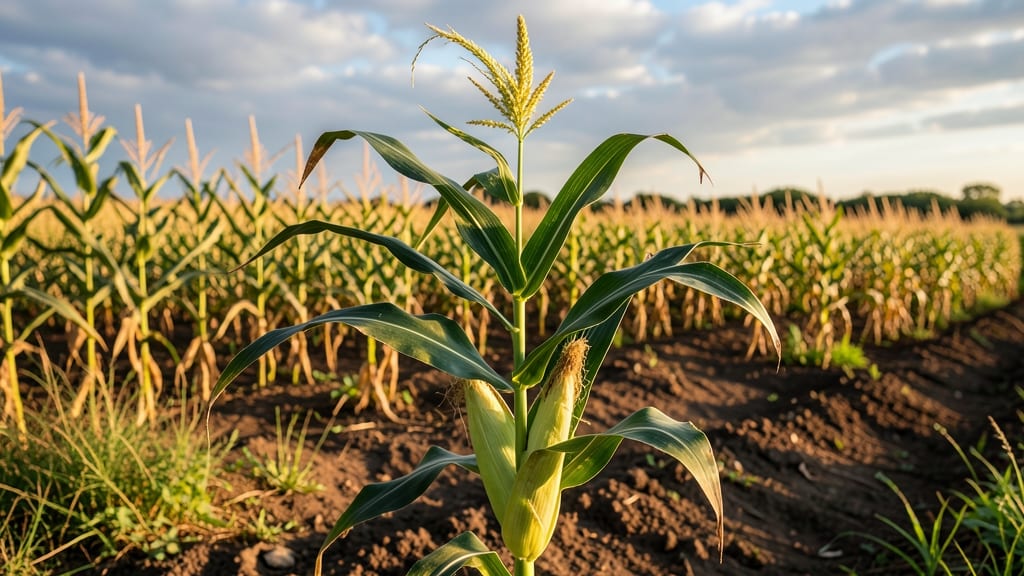
Ideal light requirements for a corn plant: bright, indirect sunlight explained
Corn plants (Zea mays) thrive in bright, direct sunlight, but they can also tolerate filtered light when grown indoors. Unlike their outdoor counterparts, indoor corn plants need gentler light exposure to prevent leaf burn.
Understanding the light intensity and duration is key to keeping your plant lush and healthy.
Outdoor corn plants require 6–8 hours of full sun daily, but indoor varieties like Dracaena fragrans (often called "corn plant") prefer bright, indirect light. Place them near east or west-facing windows for gentle morning or afternoon sun.
If using a south-facing window, position them 3–5 feet away to avoid harsh rays.
Light intensity is measured in foot-candles: corn plants need 1,000–2,000 foot-candles for optimal growth. A south-facing window typically provides 2,500–5,000 foot-candles, while north-facing windows offer only 100–500 foot-candles—too little for long-term health.
Signs of light deficiency include yellowing leaves, slow growth, and long, leggy stems. If your corn plant stretches toward the light, it’s begging for more brightness. Conversely, too much direct sun causes brown tips, crispy edges, and bleached patches on leaves.
For outdoor corn, plant in a sunny garden bed with no shade during peak hours (10 AM–4 PM). In containers, rotate the pot weekly to ensure even light exposure on all sides. If growing indoors, supplement with grow lights for 12–14 hours daily during winter months.
| Requirement | Specification |
|---|---|
| Light Type | Bright, indirect sunlight (indoor); full sun (outdoor) |
| Daily Duration | 6–8 hours (outdoor); 4–6 hours (indoor) |
| Ideal Foot-Candles | 1,000–2,000 (indoor); 10,000+ (outdoor) |
| Best Window Placement | East/west-facing (indoor); sunny garden bed (outdoor) |
| Signs of Too Little Light | Yellow leaves, leggy stems, slow growth |
| Signs of Too Much Light | Brown tips, crispy edges, bleached spots |
If your corn plant is near a south-facing window, use sheer curtains to diffuse harsh light. For outdoor corn, provide afternoon shade in hot climates to prevent heat stress. Rotate plants weekly to ensure even growth and avoid one-sided light exposure, which causes lopsided growth.
For indoor growers, a south-facing window is ideal, but west-facing windows work too—just avoid direct afternoon sun. If your home lacks natural light, grow lights are a game-changer. Use full-spectrum LED bulbs (6,500K color temperature) for 12–14 hours daily to mimic sunlight.
Monitor your corn plant’s leaf color and growth rate to adjust light exposure. If leaves yellow or drop, it’s getting too much sun. If growth slows or stems stretch, it needs more light.
Balance is key—bright but not scorching is the sweet spot for a happy, healthy corn plant.
🌿
Ideal light requirements for a corn plant: bright, indirect sunlight explained
Corn (Zea mays) thrives in full sun, but the corn plant (Dracaena fragrans) you’re likely growing indoors needs a gentler touch. While corn needs 6-8 hours of direct sunlight outdoors, your corn plant prefers bright, indirect light—think east or west-facing windows.
Without enough light, its leaves stretch and lose their rich color, while too much direct sun causes crispy, brown edges.
Place your corn plant within 3-5 feet of a south-facing window for the best balance. If you notice yellowing leaves or slow growth, it’s begging for more light.
Conversely, brown leaf tips or a sunburnt appearance means it’s getting too much direct sun. Adjust its position gradually to avoid shocking the plant.
🌱 Did You Know? A corn plant’s ideal light intensity falls between 1,000–2,000 foot-candles. For reference, a typical office has 500–1,000 foot-candles, while a sunny windowsill can reach 2,000–5,000 foot-candles. Use a light meter or observe your plant’s response to gauge the right spot.
| Corn Plant Light Needs | Specification |
|---|---|
| Light Type | Bright, indirect sunlight |
| Daily Duration | 6–8 hours of light |
| Intensity | 1,000–2,000 foot-candles |
| Best Window | East or west-facing |
| Signs of Too Little Light | Leggy growth, pale leaves |
| Signs of Too Much Light | Brown leaf tips, crispy edges |
If your home lacks natural light, rotate your corn plant quarter-turns every week to ensure even growth. South-facing windows can be intense midday, so use a sheer curtain to diffuse harsh rays. For low-light conditions, supplement with a grow light 12 inches above the plant for 12–14 hours daily.
Avoid placing it near drafts or heating vents, as these can stress the plant further.
Outdoor corn (Zea mays) and indoor corn plants (Dracaena fragrans) have very different light needs. While outdoor corn craves unfiltered sun, your houseplant will thrive in filtered brightness.
Pay attention to its cues—drooping leaves often signal thirst, but crispy edges scream "too much sun!" Adjust accordingly to keep your corn plant lush and healthy.
For optimal growth, aim for a mix of morning sun and afternoon shade. If your corn plant starts developing yellow patches, it may need more light, but if the leaves curl or scorch, move it back.
Balance is key—just like Goldilocks, your corn plant wants it "just right."