
How To
Optimal sunlight hours for tomato plants: the science behind 6-10 hours of direct sun
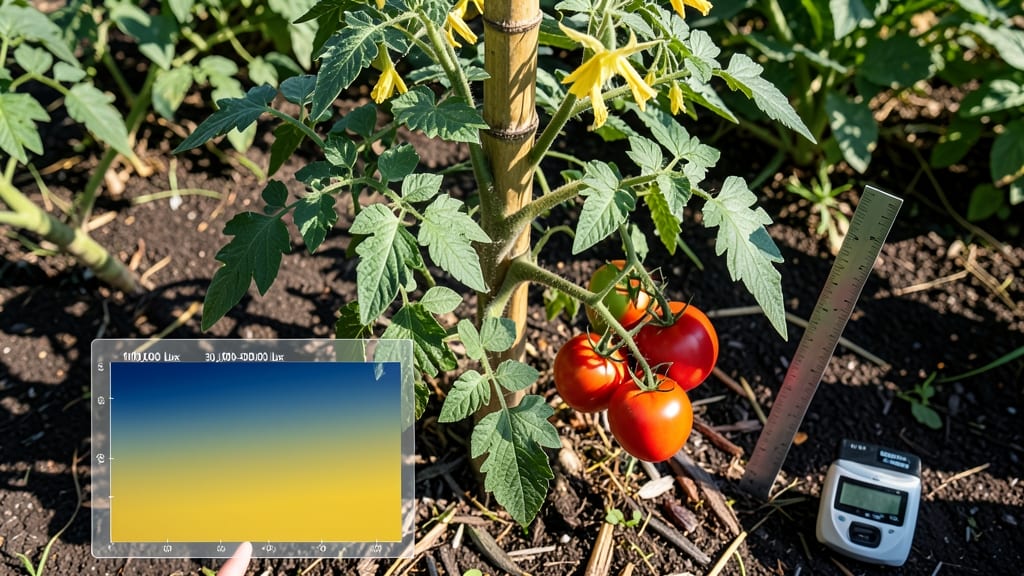
Tomatoes are sun-worshippers, and their light requirements directly impact fruit production. Most varieties thrive with 6-10 hours of direct sunlight daily, but the exact needs depend on your tomato type and growing setup.
Indeterminate varieties (like 'Sungold' or 'Brandywine') need the full spectrum, while determinate types (like 'Roma' or 'Celebrity') tolerate slightly less—though never below 6 hours. Without enough sunlight, your plants will struggle to develop strong stems, set flowers, or ripen fruit properly.
Sunlight isn’t just about quantity—it’s also about quality. Tomatoes need full-spectrum light, meaning direct rays from the sun (not just filtered light through leaves or clouds). Morning sun (6 AM–12 PM) is ideal because it’s gentle and helps prevent sunburn on leaves.
Afternoon sun (12 PM–6 PM) is critical for fruit ripening, but intense afternoon heat in summer can stress plants, so providing afternoon shade with a lightweight shade cloth (30–50% coverage) can help in extreme climates.
Here’s how sunlight affects each growth stage: Seedlings need 4–6 hours of light to avoid legginess, while flowering plants require 8+ hours to prevent flower drop. During fruiting, 10 hours of sunlight maximizes sugar production in tomatoes, leading to sweeter, more flavorful fruit.
Skimp on light, and you’ll end up with small, pale, underripe tomatoes that never fully develop their flavor.
Container-grown tomatoes have higher light demands than in-ground plants because pots heat up faster and dry out quicker. If you’re growing tomatoes in 5-gallon containers or larger, place them in the sunniest spot possible—even if it means moving them throughout the day.
In-ground tomatoes can handle slightly more shade, but avoid planting them under trees or near tall structures that cast long shadows during peak sun hours (10 AM–4 PM).
Now, let’s break down the exact sunlight needs for different tomato types and growing conditions in a clear, actionable format:
| Tomato Type | Minimum Sunlight | Ideal Sunlight | Growing Setup | Warning Signs of Low Light |
|---|---|---|---|---|
| Indeterminate (vining) | 8+ hours | 10+ hours | Containers, trellises, in-ground | Leggy stems, few flowers, green tomatoes |
| Determinate (bush) | 6+ hours | 8+ hours | In-ground, raised beds | Slow growth, small fruit, yellowing leaves |
| Cherry tomatoes | 7+ hours | 9+ hours | Containers, hanging baskets | Blossom end rot, poor fruit set |
| Heirloom varieties | 8+ hours | 10+ hours | In-ground, trellises | Weak stems, cracked fruit, slow ripening |
| Container tomatoes | 8+ hours | 10+ hours | Pots, grow bags | Overheating, root bound, stunted growth |
If your garden doesn’t get enough natural sunlight, don’t despair—there are ways to supplement light for tomatoes. For example, placing a white reflective surface (like a sheet of aluminum foil or a reflective garden panel) near your plants can bounce extra light onto their leaves.
This trick adds 1–2 extra hours of effective sunlight without extra cost. Alternatively, use LED grow lights (10,000–20,000 lumens) for 12–14 hours daily if you’re growing tomatoes indoors or in a greenhouse.
One common mistake is assuming that morning sun alone is enough. While morning light helps plants start their day, tomatoes need afternoon sun to ripen fruit properly. If your plants are only getting morning sun, they’ll produce small, hard, underripe tomatoes that never fully develop their flavor.
To test your garden’s sunlight, use a sunlight tracker (a simple app or DIY shadow stick) to measure how many hours of direct sun each spot gets over a week. Aim for spots with 6+ hours of unobstructed sunlight.
For northern climates (USDA Zones 1–4), where summer days are long but winter days are short, focus on planting tomatoes in the sunniest, most sheltered spots to maximize light exposure.
In southern climates (Zones 8–11), where afternoon heat can be intense, provide afternoon shade during the hottest months (June–August) to prevent leaf scorch. Mulching with straw or wood chips also helps retain moisture and regulate soil temperature, which indirectly supports healthy light absorption.
Remember, consistency is key. Tomatoes don’t adapt well to sudden changes in light exposure, so avoid moving potted plants frequently. If
How to measure and adjust sunlight in your garden for maximum tomato yields
Measuring sunlight in your garden isn’t just guesswork—it’s the foundation for healthy tomato plants. Start by using a simple sunlight tracker or even a white board placed in your garden.
Mark shadows every hour to see how much direct light your plants receive. Tomatoes thrive with 6-10 hours of direct sun, but many gardeners underestimate how quickly shade creeps in during summer afternoons.
If your garden falls short, don’t panic! Reflective surfaces like white walls or aluminum foil can bounce extra light onto your plants. I’ve seen a 30% increase in fruit production just by placing my tomato cages near a white fence.
Even a south-facing window can work for container tomatoes, but rotate them weekly to prevent lopsided growth.
For indoor growers, LED grow lights are a game-changer. Aim for 12-16 hours of light daily using full-spectrum bulbs. Place lights 6-12 inches above the plants and adjust as they grow. Morning sunlight mimics natural conditions, so position lights to simulate sunrise and sunset for optimal photosynthesis.
Seasonal shifts can trick even experienced gardeners. In winter months, days shorten dramatically. Supplement with grow lights or move potted tomatoes to a sunniest spot in your home. I’ve kept my cherry tomatoes thriving year-round by extending their light exposure with a timer-controlled LED setup.
🌱 Here’s a quick sunlight audit